Key Takeaways
- An NWFA inspection follows the National Wood Flooring Association's certified protocol and produces a formal written report, not just a contractor opinion.
- Common triggers include cupping, gapping, finish failure, contractor disputes, real estate transactions, and manufacturer warranty claims.
- The inspector measures moisture content, evaluates installation quality, checks finish adhesion, and reviews structural conditions.
- Inspection reports are recognized in legal proceedings, mediation, and warranty submissions.
- Gorsegner Brothers is NWFA-certified and serves Monmouth County, Mercer County, Ocean County, and Middlesex County in New Jersey.
In This Guide
If something is wrong with your hardwood floors and you can't figure out why, a professional NWFA hardwood floor inspection in NJ is the right next step. It gives you an independent, certified assessment of what's actually happening, documented in writing.
Most homeowners in New Jersey deal with floor problems by calling the contractor who installed or refinished the floors. That's a reasonable first move, but it's not an independent opinion. When the stakes are high, whether there's a contractor dispute, a warranty claim, or a real estate transaction, you need someone with no stake in the outcome and the credentials to back it up.
This guide explains what the NWFA inspection process involves, when it makes sense to request one, and what the written report means for your situation.
What Is an NWFA Hardwood Floor Inspection?
The National Wood Flooring Association (NWFA) is the industry's primary trade organization for hardwood flooring professionals. They publish technical guidelines for installation, finishing, maintenance, and inspection, and they certify inspectors who have demonstrated mastery of those standards.
An NWFA inspection is not a casual walkthrough. It's a systematic evaluation conducted by a certified inspector following the Association's established protocol. The inspector documents findings in a formal written report that identifies what's wrong, explains the probable cause, and outlines recommended next steps. That report is worth something because it's produced by a credentialed professional following a recognized methodology.
The key distinction from a typical contractor visit: the NWFA inspector's job is to find out what happened and document it, not to sell you services. Their value comes from being objective and independent.
Seeing unexplained floor problems? An NWFA-certified inspection is how you find out the actual cause before spending money on repairs that may not address the root issue. Learn what Gorsegner Brothers inspects →
When Do You Need an NWFA Floor Inspection in New Jersey?
Not every floor problem requires a formal inspection. If your floors just need a refinishing because the finish has worn down after years of normal use, that's not an inspection situation. But there are several scenarios where a certified inspection is the right call.
Unexplained floor problems
If your floors are cupping (boards curving upward at the edges), crowning (boards humping up in the center), gapping more than normal, squeaking in ways they didn't before, or showing finish failure that seems unusual, an inspection can identify the root cause. In New Jersey, humidity swings between summer and winter are a major contributor to wood movement. The inspector can determine whether the problem is environmental, installation-related, or a product defect.
Contractor disputes
If you've recently had flooring work done and suspect something wasn't done properly, an NWFA inspection gives you an independent expert opinion. That's useful whether you're trying to resolve the dispute directly, pursue legal action, or just understand what you're dealing with. This comes up regularly in Monmouth County and Ocean County homes where work was done by an uncertified installer.
Real estate transactions
Homebuyers and sellers in Red Bank, Colts Neck, and throughout Monmouth County increasingly request hardwood floor inspections as part of the buying or selling process. It establishes the true condition of the floors, which affects price negotiations and prevents disputes after closing. Sellers who can show a clean NWFA inspection report have a stronger position.
Manufacturer warranty claims
Most hardwood flooring manufacturers require an inspection report as part of the warranty claim process. Without one, claims are often denied. An NWFA-certified inspector knows what documentation manufacturers look for and can structure the report accordingly.
What the Inspector Evaluates
A proper NWFA inspection covers several distinct areas. Here's what Gorsegner Brothers examines during a certified inspection:
- Moisture content in the wood flooring and the subfloor below. Moisture readings are documented with calibrated instruments. This is often the single most important piece of data in explaining why a floor is behaving the way it is.
- Installation quality, including fastener pattern and spacing, adhesive coverage (for glue-down installs), acclimation compliance, and subfloor preparation.
- Finish condition and adhesion. The inspector checks for finish peeling, cloudiness, wear patterns inconsistent with normal use, and adhesion failures that indicate improper application or incompatible products.
- Structural and subfloor issues that may be causing movement, noise, or uneven wear.
Typical inspection duration: Most residential inspections in New Jersey take 2 to 4 hours, depending on the floor area and the number of issues being evaluated. The written report is typically delivered within a few business days.
The inspector works methodically through each room with affected flooring. They take moisture readings at multiple points, photograph relevant conditions, and take detailed notes throughout. Everything documented in the report is supported by on-site measurements and observations, not assumptions.
Understanding Your Inspection Report
The written inspection report is the deliverable that makes the whole process worth it. A good report from an NWFA-certified inspector in New Jersey does three things: it describes what was observed, it explains the probable cause (or causes), and it recommends what to do next.
If the issue is moisture-related, the report will document the moisture readings, compare them to acceptable thresholds under the NWFA's guidelines, and identify whether the source is from above (a leak or spill) or below (a subfloor or crawlspace moisture issue). That distinction matters enormously for figuring out who's responsible and what the fix actually is.
If the issue is installation-related, the report will cite specific NWFA standards that weren't followed and document the evidence. That language carries weight with manufacturers, attorneys, and insurance adjusters in a way that a contractor's verbal assessment does not.
For homeowners in Middlesex County dealing with a contractor dispute, or in Ocean County pursuing a warranty claim on a recently installed floor, having that documented report changes the conversation significantly. It's the difference between "I think something's wrong" and "here's what a certified professional found."
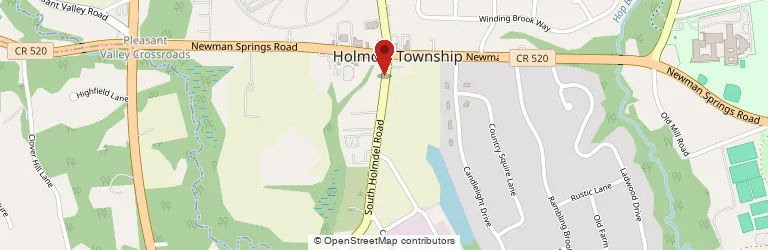
Ready to get a certified inspection? Our team in Holmdel serves all of Monmouth County, Mercer County, Ocean County, and surrounding New Jersey areas. We handle the inspection, the report, and if needed, the remediation. Request a Free Quote →
What NWFA Certification Means for You
NWFA certification isn't a marketing claim. It's a credential that requires documented training and knowledge testing against the Association's standards. When you hire an NWFA-certified inspector in New Jersey, you're hiring someone who has demonstrated competency in the same standards being used to evaluate your floors.
Gorsegner Brothers has been working with hardwood floors in Monmouth County since 1951. Our NWFA certification means our inspectors know the standards inside and out, which is exactly what you want when those standards are the basis for evaluating a warranty claim, contractor dispute, or real estate negotiation.
We serve homeowners throughout Monmouth County, Mercer County, Ocean County, and Middlesex County in New Jersey. If you're dealing with a floor problem you can't explain, call us. The first conversation is free and there's no commitment required.
An inspection report produced by a certified professional changes the conversation from "I think something's wrong" to "here's documented proof of what happened."
Frequently Asked Questions
What is an NWFA hardwood floor inspection?
An NWFA (National Wood Flooring Association) inspection is a professional evaluation of your hardwood floors conducted by a certified inspector. The inspector follows the Association's established protocols to assess moisture levels, installation quality, finish condition, and structural integrity, then produces a written report with findings and remediation recommendations.
When do I need an NWFA floor inspection in New Jersey?
You may need an NWFA inspection if your floors are cupping, gapping, squeaking, or showing unexplained finish failure; if you suspect a contractor made installation errors; if you're buying or selling a home in Monmouth County, Mercer County, Ocean County, or elsewhere in NJ and want an independent assessment; or if you're filing a warranty claim with a flooring manufacturer.
Is Gorsegner Brothers NWFA certified?
Yes. Gorsegner Brothers holds NWFA certification, which means our team has met the Association's requirements for professional training and standards in hardwood floor installation, inspection, and maintenance. We've been working with hardwood floors in New Jersey since 1951.
How long does an NWFA inspection take?
Most residential inspections take 2 to 4 hours depending on the size of the home and the number of issues being evaluated. A written inspection report is typically delivered within a few business days of the visit.
Can an NWFA inspection report be used in a legal dispute or warranty claim?
Yes. NWFA inspection reports are recognized in legal proceedings, mediation, and manufacturer warranty submissions. Our certified inspectors follow established industry protocols to ensure every report stands up to scrutiny.