The question comes up constantly among New Jersey homeowners: how often do hardwood floors actually need to be refinished? The internet will tell you every 7–10 years. That is a reasonable baseline, but it is not a rule. The real answer depends on how much traffic your floors see, what finish was applied, how well the floor was maintained, and whether you caught the warning signs before they became expensive problems.
After more than seven decades of refinishing floors across Monmouth County, Mercer County, Ocean County, and Middlesex County, we have seen floors that needed refinishing after four years and floors that were still going strong after fifteen. The difference is almost always attributable to a combination of lifestyle, maintenance habits, and finish quality, not a preset schedule.
The Honest Answer: It Depends
The 7–10 year refinishing guideline assumes average residential use: a family home, moderate foot traffic, no pets, with reasonably diligent maintenance. Under those conditions, a properly applied oil-modified polyurethane finish will typically show meaningful wear by the seven-to-ten year mark: dulled sheen, visible scratching in traffic lanes, and potentially light wear-through in front of frequently used doors or at the base of stairs.
That window compresses significantly with heavier use. A household with two large dogs and three kids in a Brick, NJ colonial, with hardwood throughout the kitchen, living room, and hallway, may be looking at refinishing after five to six years. Meanwhile, a retired couple in a Monmouth County home where the formal living room floors see foot traffic only occasionally might go twelve to fifteen years before the finish shows meaningful wear.
The most important variable is not time; it is the condition of the finish. When the protective finish wears through to bare wood, the refinishing clock is no longer measured in years but in weeks. Every foot that crosses an unprotected wood surface grinds grit into the grain, and every spill that reaches bare wood begins the process of staining and swelling the fibers. Catching wear before it reaches that point is the goal of every maintenance conversation we have with NJ homeowners.
Signs It's Time to Refinish
Knowing what to look for is more valuable than any fixed schedule. These are the signs we point homeowners to when assessing whether their floors need a full refinish, a maintenance recoat, or just improved cleaning habits.
Finish worn through to bare wood
The clearest sign is visible bare wood: areas where the finish has completely worn away, typically in front of doors, down the center of hallways, or at transitions between rooms. Bare wood looks matte and dull compared to areas where the finish is still intact, and it may appear slightly lighter or grayer. Once bare wood is exposed, a full refinish is necessary; a recoat will not bond properly to areas where there is no existing finish to adhere to.
Gray or black staining in the grain
Gray or black discoloration embedded in the wood grain, not just on the surface, indicates moisture has penetrated the finish and begun oxidizing the tannins in the wood. This is particularly common in Ocean County and coastal Monmouth County homes where seasonal humidity is more pronounced. Light gray can sometimes be sanded out; deep black staining may require board replacement. Either way, the finish has failed and refinishing is overdue.
Deep scratches that catch a fingernail
Surface scratches in the finish itself are normal and expected. If you can feel the edge of a scratch when you drag a fingernail across it (meaning the scratch goes through the finish and into the wood), the finish protection in that zone has been compromised. A single deep scratch does not necessarily mean the whole floor needs refinishing, but a pattern of deep scratching across a traffic area does.
Persistent dullness that cleaning cannot fix
Hardwood floors that look dull even after proper cleaning may have a finish that has simply worn thin and lost its ability to reflect light evenly. This stage, before wear-through but after meaningful thinning, is actually the ideal time for a maintenance recoat, because the existing finish is still intact enough to serve as a bonding layer.
Not sure where your floors stand?
We offer free in-home assessments across Monmouth County, Mercer County, Ocean County, and Middlesex County, and we will tell you honestly whether you need a full refinish, a recoat, or nothing at all.
How Finish Type Affects Your Timeline
Not all hardwood floor finishes wear at the same rate, and the finish type on your floor has a meaningful impact on how often refinishing becomes necessary.
Oil-Modified Polyurethane
The most common finish applied to NJ hardwood floors over the past several decades. Oil-modified poly is durable, widely available, and forgiving to apply. Its main drawbacks are a slight amber tint that deepens over time and a tendency to peel or flake if the floor flexes significantly or if adhesion was poor during application. Typical lifespan before meaningful wear: 7–10 years in average residential use.
Waterborne Polyurethane
Waterborne finishes dry crystal-clear, resist yellowing, and often produce a slightly harder surface than oil-modified products. They are more sensitive to application conditions and cost more upfront, but they hold up well over time and are easier on NJ homeowners who want to preserve a cool-toned or natural wood look. Typical lifespan: 8–12 years, sometimes longer with proper maintenance.
Penetrating Oil Finishes
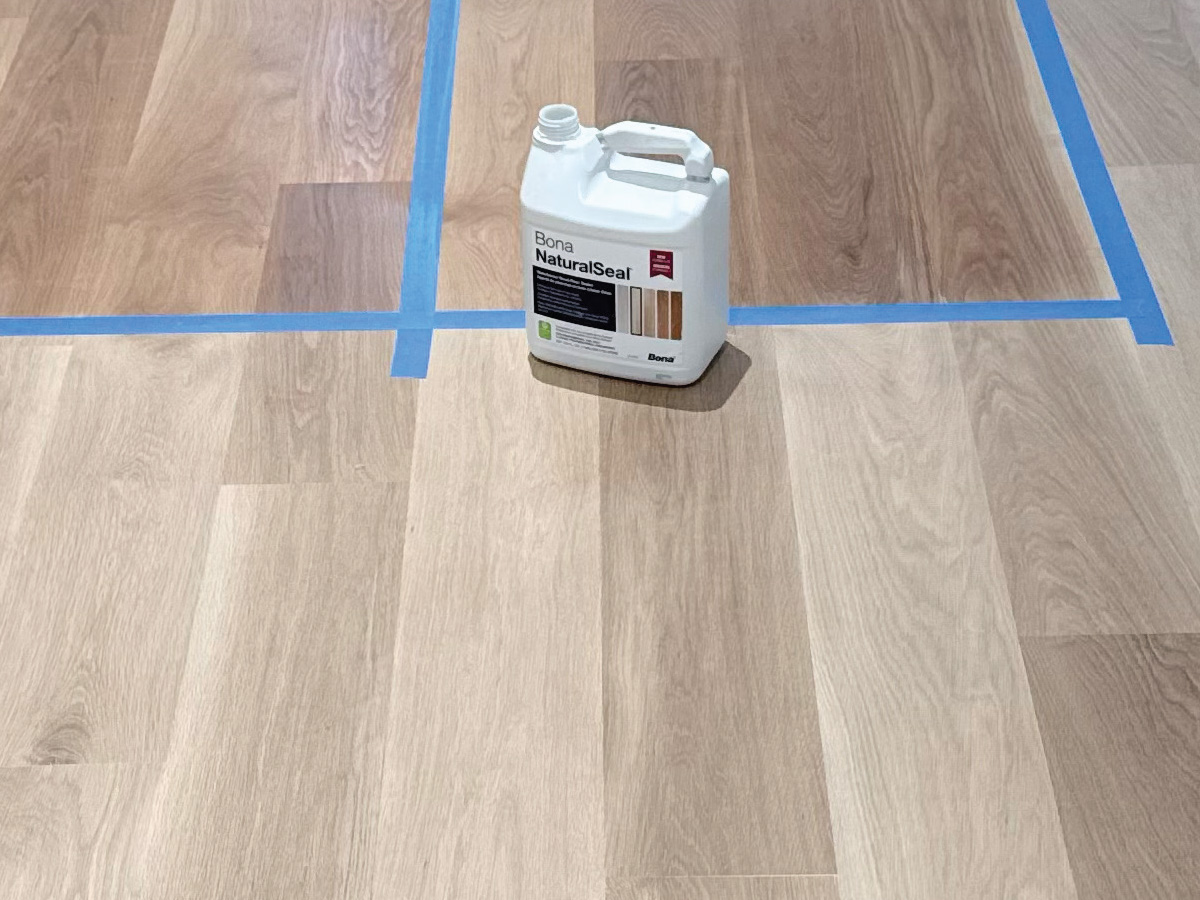
Products like Rubio Monocoat and Bona Oil penetrate the wood fiber rather than sitting on top as a film. The result is a natural, low-sheen appearance that shows the wood's texture more directly. The tradeoff is that these finishes require more frequent maintenance (annual or biannual application of a maintenance oil) and cannot be recoated the way film finishes can. Full refinishing timelines are harder to predict and depend heavily on maintenance diligence.
Finish Lifespan at a Glance
- Oil-modified polyurethane: 7–10 years average
- Waterborne polyurethane: 8–12 years average
- Aluminum oxide (factory finish): 15–25 years, but requires more aggressive sanding to refinish
- Penetrating oil: Requires ongoing annual maintenance; full refinish timeline varies widely
Factors That Speed Up Wear in NJ Homes
Several conditions specific to New Jersey homes accelerate finish wear beyond what the baseline 7–10 year estimate assumes.
Dogs and cats. Pet nails are among the most damaging forces on a hardwood floor finish. Even small dogs can produce fine scratching across an entire floor surface within a few years of use. Large breeds with hard nails and weight behind them can visibly scratch through a finish in high-traffic areas within two to three years. If you have dogs, plan for a shorter refinishing cycle and consider a harder finish product like aluminum oxide or a durable waterborne system.
High grit and sand tracked in from outside. New Jersey's coastal and wooded terrain means a lot of homeowners are dealing with fine sand, grit, and soil tracked in from driveways, beaches, and yards. That grit acts like sandpaper underfoot, grinding down the finish surface with every step. Entryway mats, both outside and inside the door, are the single most effective tool for extending your floor finish's lifespan. We recommend this consistently to homeowners throughout Monmouth County and Ocean County.
Humidity swings. NJ's four seasons mean significant humidity changes throughout the year. As the wood expands in summer and contracts in winter, the finish flexes with it. Over time, this cycling contributes to micro-cracking and delamination of the finish layer, particularly in older oil-modified poly applications. Keeping indoor humidity between 35–55% RH year-round slows this process considerably.
Improper cleaning products. Many mainstream floor cleaners marketed for hardwood are too harsh for the finish layer and strip it gradually with every application. Steam mops are especially damaging. Using the wrong product consistently can cut your finish lifespan in half. See our complete hardwood floor care guide for cleaning product recommendations.
Ready to restore your floors?
Our refinishing team serves all of Monmouth County, Mercer County, Ocean County, and Middlesex County, NJ with full sanding and refinishing services.
Recoating vs. Full Refinishing
Understanding the difference between a recoat and a full refinish can save NJ homeowners significant time and money, but only if the recoat is done at the right time.
A screen and recoat (also called a buff and recoat) involves lightly abrading the existing finish with a buffer and applying one or two fresh coats of finish on top. No stain change. No wood removal. The floor typically stays out of use for 24–48 hours and costs considerably less than a full refinish. The catch: this process only works when the existing finish is still largely intact. If finish has worn through to bare wood in any areas, a recoat will not bond properly to those spots and the result will look patchy and fail prematurely.
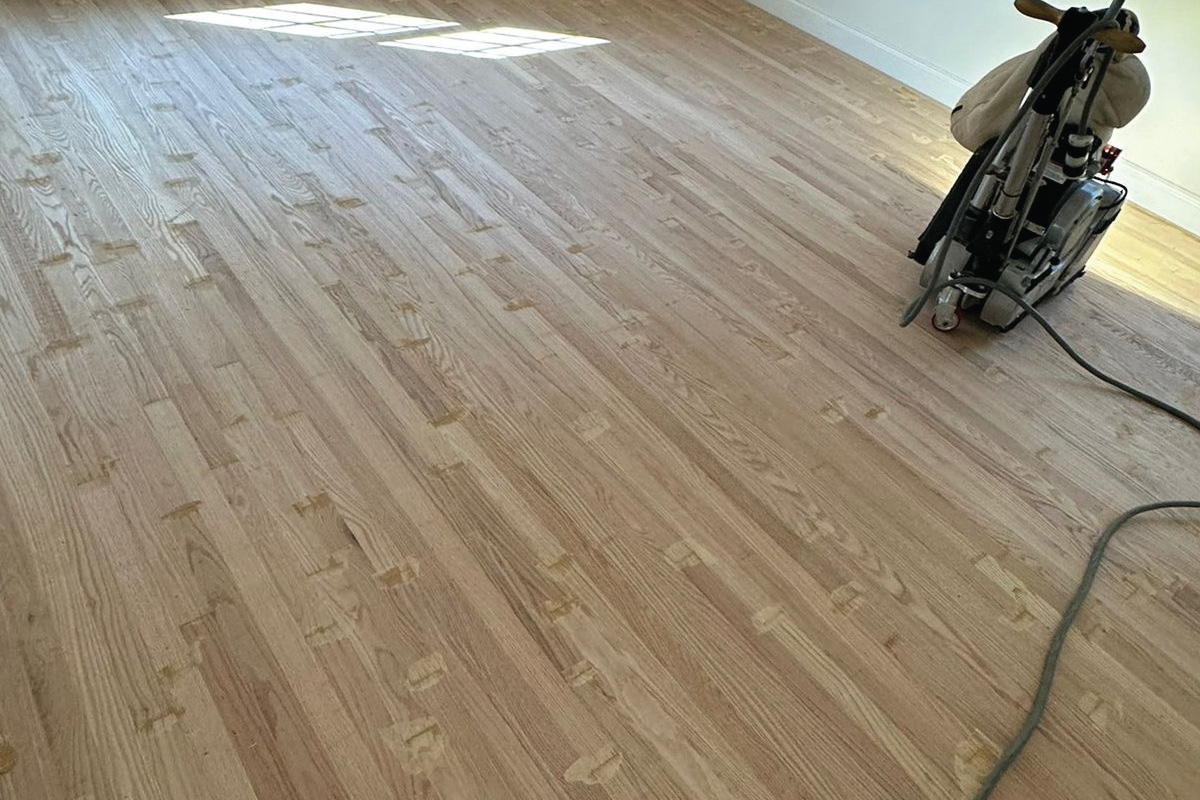
A full refinish involves drum sanding the floor down to bare wood, removing the old finish, any stain, and a thin layer of wood, then applying new stain (if desired) and multiple fresh topcoats. It takes two to four days, requires full evacuation of the space, and costs significantly more than a recoat. But it resets the floor completely, allows a color change, and addresses any surface-level damage or discoloration in the wood itself.
"The screen and recoat window is everything. Catch your floors before the finish wears through and you can extend the refinishing timeline by three to five years. Wait until the wood is bare and you have no choice but to sand."
The practical guidance: have your floors assessed every four to five years by a professional, even if they still look acceptable. A short, inexpensive recoat at year five is far better than a full refinish at year eight because you missed the window. We offer free assessments for homeowners throughout NJ; it takes twenty minutes and will tell you exactly where your floors stand.
For a full walkthrough of what the refinishing process involves, see our guide on what to expect from your hardwood flooring project.
Floors that need a deep clean, not a full refinish?
The Bona deep clean process can restore the look of dull or hazy floors without sanding, a fraction of the cost of full refinishing.
Frequently Asked Questions
How often should you refinish hardwood floors?
Most hardwood floors need a full refinish every 7–10 years in average residential use. High-traffic homes with dogs, children, or frequent entertaining may need refinishing every 5–7 years. Low-traffic areas like formal dining rooms or bedrooms can often go 10–15 years between full refinishes, especially with periodic maintenance recoating in between.
What is the difference between refinishing and recoating hardwood floors?
Refinishing involves sanding the floor down to bare wood, removing the old finish and a thin layer of wood, then applying new stain and topcoats. Recoating (screen and recoat) only lightly abrades the existing finish and applies a fresh topcoat on top, no stain change, no wood removal. Recoating is faster, less expensive, and less disruptive, but only works when the existing finish is still in good condition. If finish has worn through to bare wood, a full refinish is required.
How do I know when my hardwood floors need refinishing?
Key signs include: finish worn through to bare wood in high-traffic zones, gray or black discoloration in the wood grain indicating moisture penetration, deep scratches that catch a fingernail, significant color difference between worn and protected areas, and a dull or hazy appearance that does not respond to cleaning. If the wood itself looks damaged or discolored, not just the finish surface, a full refinish is the appropriate solution.
How many times can hardwood floors be refinished?
Solid hardwood floors (3/4" thick) can typically be refinished 5–7 times before the boards become too thin to sand safely. Each full refinish removes approximately 1/32" to 1/16" of wood. Engineered hardwood can only be refinished 1–3 times depending on the thickness of the wear layer, sometimes as little as once for thin-veneer products. Knowing whether you have solid or engineered hardwood is essential before scheduling a refinish. If you are unsure, our team can assess this during a free consultation anywhere in Monmouth County, Mercer County, Ocean County, or Middlesex County, NJ.
Does the type of finish affect how often I need to refinish?
Yes. Oil-modified polyurethane is durable and widely used but can yellow over time and typically requires refinishing every 7–10 years in average use. Waterborne finishes dry harder, resist yellowing, and often last longer with less maintenance. Oil-based penetrating finishes require more frequent spot maintenance but are easier to touch up without full sanding. Your finish choice affects both appearance and long-term maintenance needs significantly.